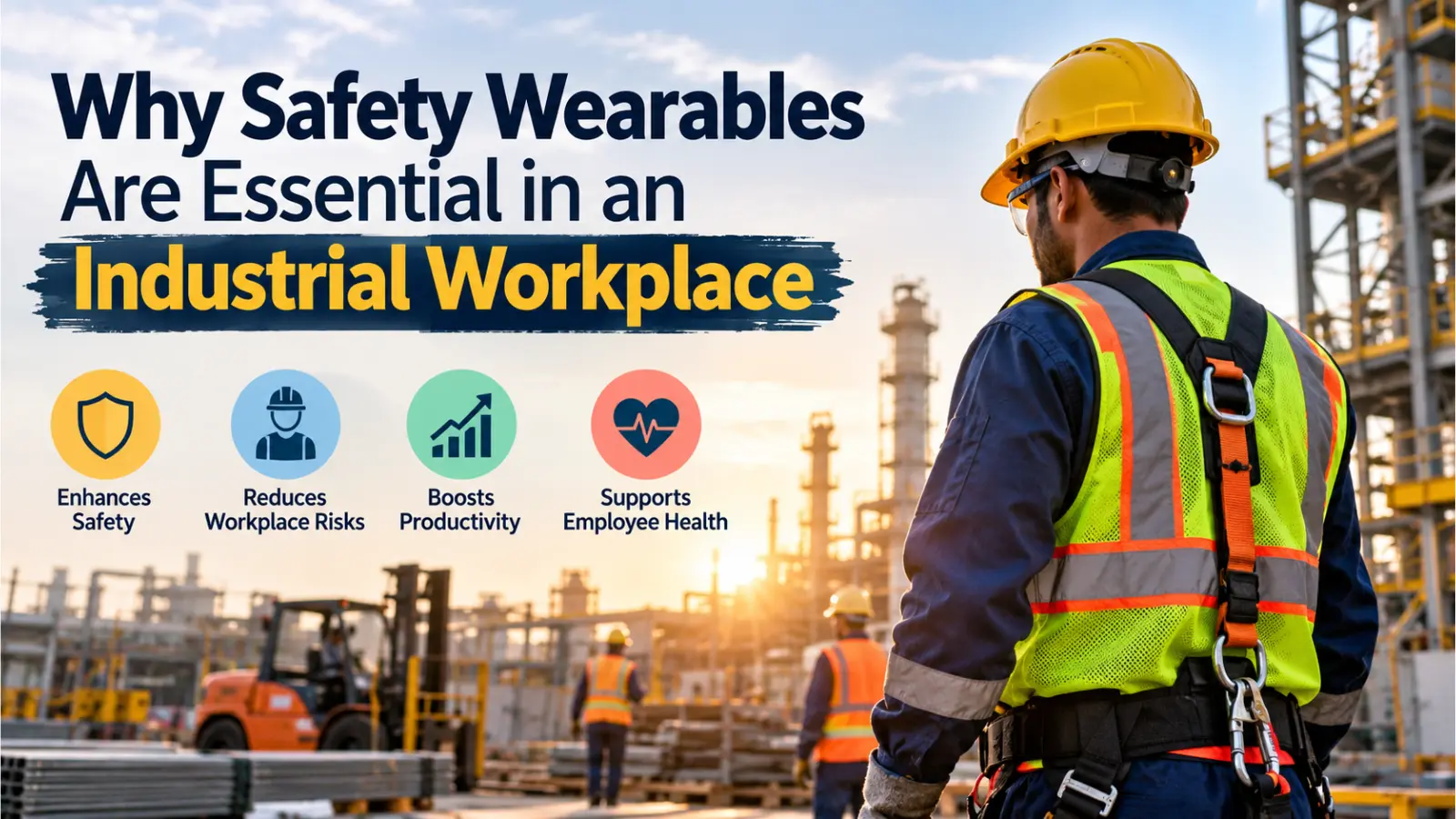
Industrial workplaces are becoming more connected, but the need for industrial safety remains just as important. Manufacturing plants, warehouses, construction sites, logistics facilities and other high-risk environments can expose workers to moving machinery, vehicles, heat, falls, chemicals and other hazards.
Traditional personal protective equipment (PPE) such as helmets, safety shoes, gloves, goggles and protective clothing remains an important part of workplace safety. However, technology is adding another layer of protection through industrial safety wearables.
These devices help workers and safety teams monitor conditions, communicate alerts, identify proximity risks, and respond faster to workplace situations. Industrial wearables can include smart helmets, connected safety vests, smart glasses, wearable sensors, location trackers and smart clothing.
What Are Industrial Safety Wearables?
Industrial safety wearables are connected devices designed to be worn by workers while performing their jobs. Depending on the product, they may collect information about the worker, surrounding environment, location or movement and communicate it to another device or platform.
Examples include:
❖ Smart safety helmets
❖ Connected safety vests
❖ Wearable proximity sensors
❖ Smart glasses
❖ Location-tracking devices
❖ Smart watches and wrist devices
❖ Wearable environmental sensors
❖ Smart clothing and connected PPE
Some systems can monitor factors such as temperature, movement, proximity to machinery and worker location. Others can provide notifications, instructions or communication capabilities.
Why Are Safety Wearables Important in an Industrial Workplace?
1. Help Identify Workplace Risks
A good risk assessment identifies hazards before work begins. Wearable technology can add useful real-time information to this process.
For example, proximity sensors may alert workers when they get too close to machinery or other equipment. Location-based systems can also help safety teams understand where workers are operating.
This additional information can support existing workplace safety procedures rather than replace them.
2. Improve Emergency Communication
In an emergency, communication speed matters. Depending on the technology, wearable devices can send alerts or location information to supervisors or safety teams.
Location-enabled wearables may also help teams understand where workers are during an emergency and support evacuation coordination.
3. Add Another Layer to Personal Safety Equipment
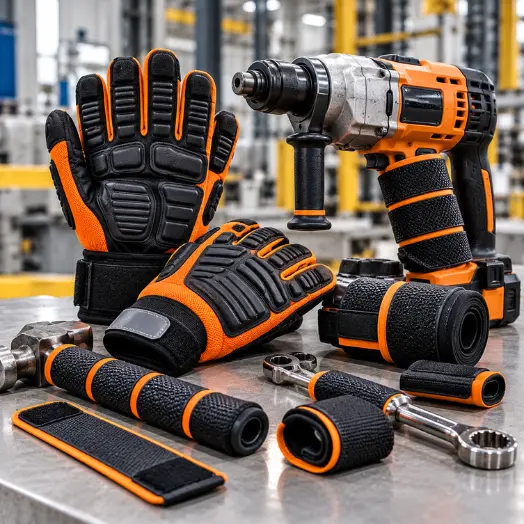
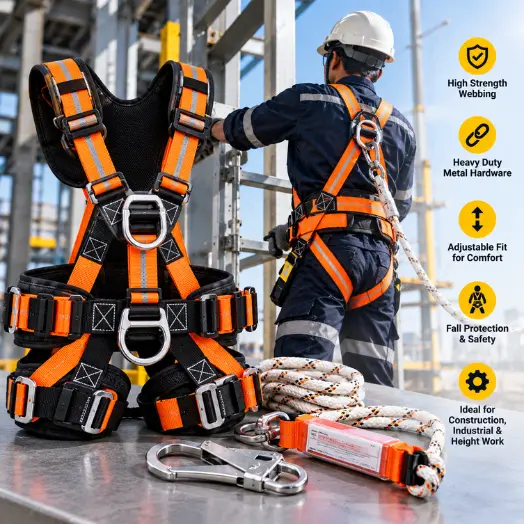
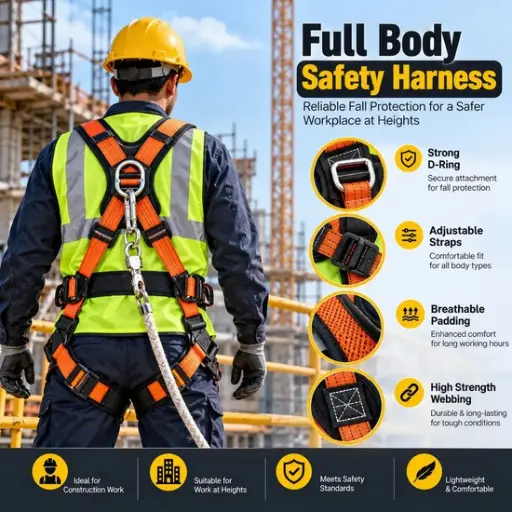
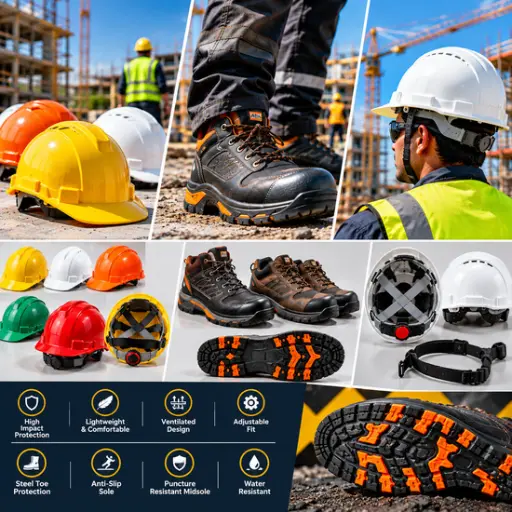
Personal protective equipment is designed to reduce exposure to workplace hazards. Common examples include safety helmets, gloves, protective eyewear, safety footwear, hearing protection and protective clothing.
Smart technology can be integrated into or used alongside this protective equipment. For example, connected helmets, smart vests or wearable sensors can combine physical protection with monitoring or communication capabilities.
However, wearables should complement—not replace—the appropriate PPE and other safety controls.
4. Support Better Worker Awareness
Industrial workers often operate around machinery, vehicles and other moving equipment. Wearables can provide alerts or information that may help workers become more aware of changing conditions.
For example, proximity detection can warn when a worker and machine are getting too close. This can support safer work practices and hazard awareness.
5. Help Enhance Productivity
Safety and productivity do not have to be separate goals. Some industrial wearables provide workers with hands-free access to information, instructions or communication tools.
Smart glasses and other connected devices can, for example, support maintenance, inspection, training and guided work processes. This can reduce the need to repeatedly stop work to access information manually.
6. Provide Useful Workplace Data
Connected wearables can generate data that safety teams can use to understand workplace conditions and worker activities.
Depending on the device, this may include location, movement, environmental conditions or proximity information. Such data can support safety reviews and help organizations identify areas where additional controls or training may be needed.
Safety Wearables vs Traditional PPE
Safety wearables should not be viewed as a replacement for traditional personal protective gear.
A workplace safety program normally uses several layers of protection. OSHA's hierarchy of controls places elimination, substitution and engineering controls above administrative controls and PPE. It also recommends combining controls when one measure cannot provide complete protection.
Traditional PPE:
➤ Safety helmet + safety shoes + gloves + eye protection
Connected safety layer:
➤ Proximity sensor + location tracking + environmental monitoring
Together, these approaches can create a more comprehensive safety at work strategy.
How to Choose Industrial Safety Wearables
Before purchasing wearable technology, businesses should consider the actual hazards and working conditions.
Consider the Work Environment
A wearable used inside a warehouse may have different requirements from one used on a construction site, manufacturing floor or outdoor infrastructure project.
Match Technology to Risk
Start with the hazard rather than the technology. If vehicle movement is the primary concern, proximity detection may be relevant. If communication is the challenge, connected communication devices may be more useful.
Check Comfort and Usability
Workers are more likely to use equipment correctly when it is comfortable, practical and suitable for the job. Industrial wearable designs should therefore consider weight, battery life, connectivity, durability and ease of use.
Consider Data and Privacy
Connected devices can collect information about workers and their activities. Companies should establish clear policies covering what information is collected, why it is collected, who can access it and how long it is retained.
Building a Safer Industrial Workplace
Technology alone cannot create a safe workplace. Effective industrial safety requires hazard identification, engineering controls, safe work procedures, worker training, appropriate protective equipment and regular safety reviews.
Safety wearables can become an additional tool within this broader system. OSHA guidance emphasizes identifying hazards, selecting suitable controls, involving workers in evaluating those controls and checking whether implemented controls remain effective.
For businesses investing in modern workplace safety, the goal should not simply be to purchase the latest wearable device. The goal should be to select technology that addresses a clearly identified workplace risk and works alongside existing safety procedures.
Industrial safety wearables are helping bring connected technology into everyday workplace safety. From proximity alerts and location tracking to smart PPE, environmental monitoring and hands-free information access, these technologies can provide additional support for workers and safety teams.
The most effective approach is to combine technology with proper personal safety equipment, training, risk assessment and established safety procedures. When selected according to actual workplace needs, safety wearables can support safer operations while also helping organizations improve communication, awareness and productivity.
FAQs
1. What are industrial safety wearables?
Connected devices worn by workers to support monitoring, communication, tracking or workplace safety.
2. Are safety wearables a replacement for PPE?
No. They should complement appropriate personal protective equipment and other safety controls.
3. Can wearables help with risk assessment?
Yes. Certain devices can provide real-time information about location, proximity, movement or environmental conditions.
4. Can safety wearables improve productivity?
Some can provide hands-free information, communication and guided work support, potentially improving workflow efficiency.
5. Where are industrial wearables used?
They can be used across manufacturing, construction, logistics, warehouses, utilities and other industrial environments.
📞 +91 93377 45396 / +91 91487 36860 / +91 74833 94208
📧 info@bluelotusinfrasafety.com
🌐 https://www.bluelotusinfrasafety.com/

Comments
No comments yet. Be the first to share a question or site experience.